
Tag: accountability

Enough Roads but of Bad Quality

Enough Roads but of Bad Quality

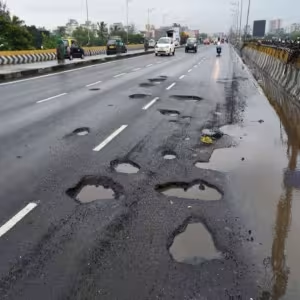
Enough Roads but of Bad Quality India's road construction prioritizes quantity over quality, with multiple agencies managing different road classifications under the Ministry of Road Transport and Highways. However, a critical accountability gap exists where citizens face penalties for traffic violations while executing agencies escape responsibility for poor road conditions. Roads across cities and newly built highways deteriorate rapidly due to substandard construction materials, poor engineering standards, and inadequate drainage systems. Repeated digging for utilities followed by crude patchwork wastes taxpayer money and creates dangerous driving conditions. Potholes, uneven surfaces, and improper slopes cause accidents, vehicle damage, and traffic congestion. The current system lacks meaningful quality control, independent audits, and personal accountability for officers and contractors. Citizens pay fines while enduring hazardous infrastructure failures they didn't create. The author calls for reciprocal accountability: imposing penalties on departments and contractors for substandard work, mandatory public quality audits, strict penalties for unauthorized road digging, and performance-based infrastructure evaluation. Only equal accountability for both road users and builders will ensure safe, durable roads that justify citizen compliance with traffic regulations.

Everybody’s work is nobody’s work

Everybody’s work is nobody’s work

The author argues "everybody's work is nobody's work" captures fragmented responsibility normalizing bureaucratic delay. No official feels answerable for outcomes, creating an accountability vacuum filled by "agents" who monetize free public services through under-the-table rates. This systemic rent-seeking spans departments like the RTO, normalizing corruption where efficiency is preserved to feed the chain. Vulnerable citizens suffer most, trust erodes, and well-meaning officials are trapped while digitization fails due to opaque processes. The root cause is a lack of end-to-end ownership. Solutions require transparent timelines, visible accountability, independent audits, and consequences for non-performance. Without rejecting this normalization—citizens refusing to pay, officials refusing to collude—the quiet prostitution of public services continues, undermining governance as a public good.

Reclaiming Democracy: From Power Concentration to Genuine Social Good

Reclaiming Democracy: From Power Concentration to Genuine Social Good

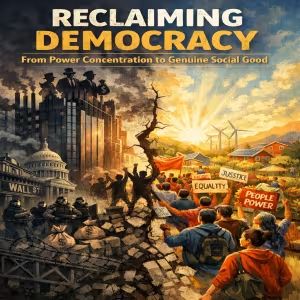
Across democracies, a troubling pattern has become increasingly clear: major political parties, once envisioned as vehicles for collective progress, have gradually transformed into power-centric institutions. Decision-making has become concentrated in the hands of a few, driven less by public welfare and more by electoral dominance, personal gain, and long-term control. In this shift, the original purpose of political social good has been diluted, and in many cases, replaced by exploitation masked as governance.